

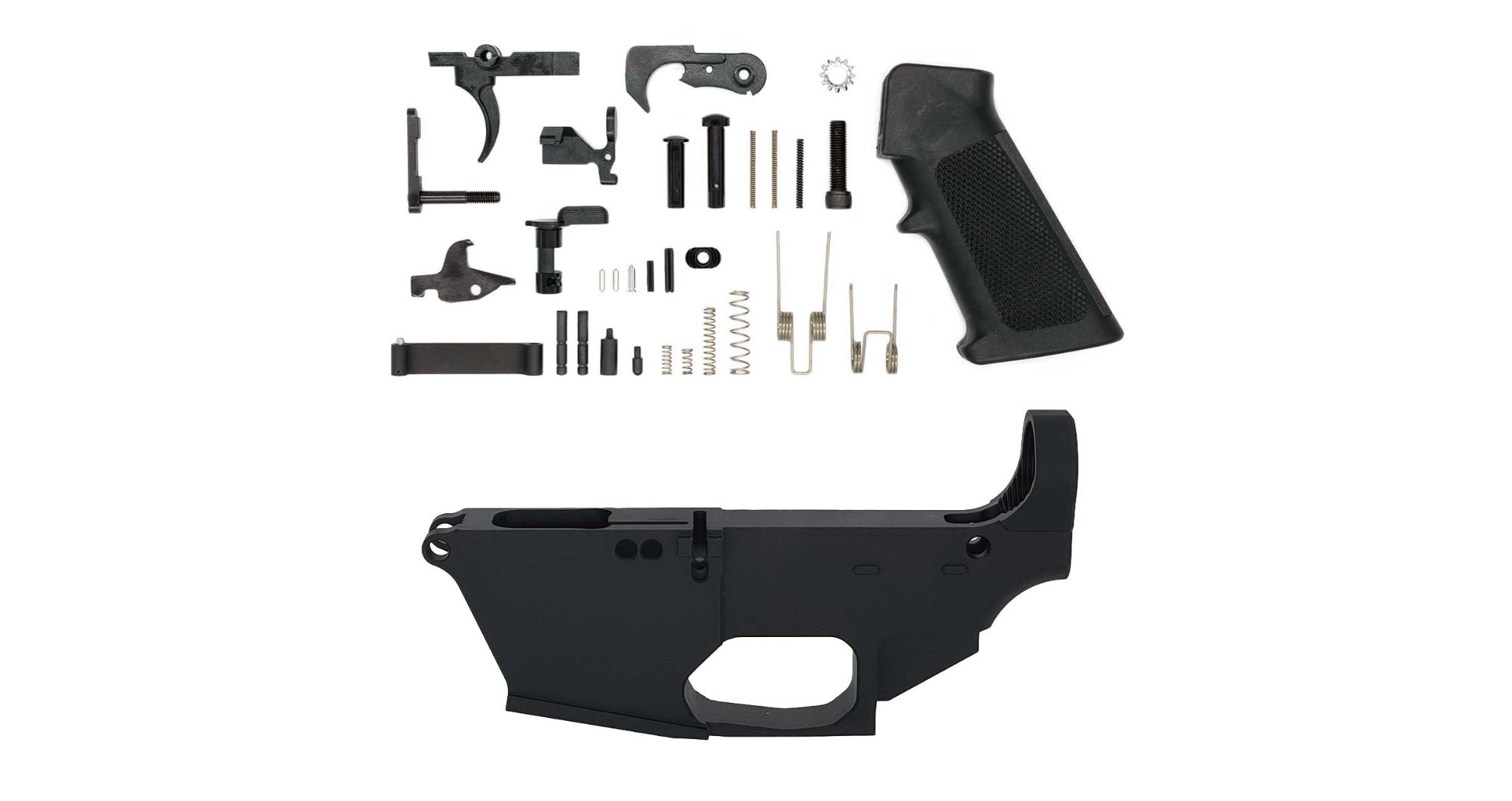
The 80 percent AR-15 lower receiver has emerged as a pivotal component for firearm enthusiasts, offering flexibility, customization, and a unique hands-on experience. Choosing the right 80 percent lower can drastically affect performance, durability, and legal compliance. In this article, we provide a comprehensive guide on the key features to compare when evaluating 80 percent AR-15 lowers to help you make an informed decision.
1. Material Composition and Durability
One of the primary considerations when selecting an 80 percent AR-15 lower is the material used in its construction. Most lowers are manufactured from aluminum alloys, polymer composites, or steel.
-
Aluminum (7075-T6 vs 6061-T6): The most common option, 7075-T6 aluminum, is known for its superior strength-to-weight ratio, providing exceptional durability without adding excess weight. 6061-T6 aluminum is slightly softer but easier to machine and still provides reliable performance.
-
Polymer: Lightweight and corrosion-resistant, polymer lowers are ideal for those seeking a lighter build. However, they may not offer the same long-term durability as aluminum.
-
Steel: Rare and heavy, steel lowers are extremely robust but often impractical for most AR-15 builds due to added weight.
When comparing lowers, always consider the intended use, whether for competitive shooting, tactical applications, or casual range use, to determine the ideal material.
2. Finish and Corrosion Resistance
The finish on an 80 percent lower is not just aesthetic—it plays a crucial role in resisting corrosion and wear. Common finishes include:
-
Anodized Finish: Most aluminum lowers feature Type III hard-coat anodizing, which provides excellent corrosion resistance and surface hardness.
-
Cerakote: Popular for customization, Cerakote coatings offer a wide range of colors while enhancing scratch resistance and weather protection.
-
Raw or Unfinished: Some lowers are sold unfinished, allowing users to apply their own coating but requiring additional protection against environmental damage.
Comparing finishes can ensure your lower retains performance and aesthetics even after prolonged exposure to harsh conditions.
3. Machining Precision and Tolerances
The machining quality of an 80 percent AR-15 lower is crucial for fit and function. Lowers with precise tolerances ensure:
-
Smooth engagement of the trigger group.
-
Proper alignment of the upper receiver.
-
Reliable operation under heavy use.
High-end lowers are often CNC-machined, offering uniform precision and reducing the risk of fitment issues during assembly. Conversely, lower-cost options may require additional filing or modification, which can compromise accuracy and durability.
4. Design Features and Compatibility
Modern 80 percent lowers come with design variations that influence assembly, ergonomics, and accessory compatibility:
-
Magwell Design: Flared magwells allow faster magazine insertion, which is crucial for competitive or tactical shooters.
-
Trigger Pin Holes: Pre-drilled holes or jigs can simplify the completion process. Check for mil-spec compatibility with standard AR-15 components.
-
Grip and Stock Interfaces: Ensure the lower supports a wide range of AR-15 grips and stock options for maximum customization.
Compatibility with standard AR-15 parts is essential to avoid sourcing rare or expensive components during assembly.
5. Weight Considerations
The weight of the lower receiver can significantly impact overall rifle balance and maneuverability:
-
Aluminum lowers generally weigh 6–8 ounces, striking a balance between strength and portability.
-
Polymer lowers can weigh as little as 4–5 ounces, making them ideal for lightweight builds.
-
Heavier steel options may exceed 12 ounces, which could affect recoil handling and portability.
Choosing the right weight depends on whether your priority is lightweight mobility or maximum durability.
6. Jig and Drill Guide Compatibility
An 80 percent lower is intentionally unfinished to allow home completion. This requires a jig or drill guide for precise milling:
-
Check if the lower is compatible with popular jigs, such as Ruger or Anderson-style jigs, which simplify the machining process.
-
Some lowers include pre-marked drill points to minimize errors.
-
Ensure compatibility with your drill press or router setup to achieve clean, legal completion.
Proper jig compatibility ensures a safe, repeatable, and legal build.
7. Legal Considerations and Compliance
While 80 percent lowers are not classified as firearms under federal law, compliance with state-specific regulations is critical:
-
Certain states require registration or restrict home completion.
-
Always verify your local laws before purchasing or assembling an 80 percent lower.
-
Compliance ensures you can safely enjoy your build without legal complications.
Understanding the legal landscape is as important as evaluating physical features.
8. Price vs. Value
Cost is often a determining factor when choosing an 80 percent lower, but value outweighs price alone. High-end lowers with premium materials, precise machining, and superior finishes may cost more upfront but save time and reduce potential assembly issues. Conversely, inexpensive options may require additional fitting, sanding, or modifications, increasing both time and risk.
When comparing prices, evaluate:
-
Material quality and finish
-
Machining precision
-
Included accessories like jigs or drill guides
-
Warranty and manufacturer reputation
A balanced approach ensures you invest wisely for a durable and reliable AR-15 build.
9. Brand Reputation and Customer Support
The brand behind the lower can significantly affect your overall experience:
-
Established manufacturers often provide better quality control, documentation, and customer support.
-
Online reviews and user testimonials can highlight long-term reliability and ease of assembly.
-
Brands offering replacement parts or warranty coverage provide peace of mind for first-time builders.
Opting for reputable brands ensures a consistent, safe, and high-performing lower receiver.
10. Customization Potential
The true advantage of an 80 percent lower is the ability to personalize your AR-15:
-
Drilling and milling options allow you to select trigger groups, grips, and stock configurations.
-
Some lowers are compatible with modular AR systems, giving you the flexibility to swap calibers or configurations in the future.
-
Finish and coating options allow for unique visual customization, ensuring your build is distinct.
Maximizing customization potential ensures your AR-15 not only performs optimally but also reflects your personal style.
Conclusion
Selecting the ideal 80 percent AR-15 lower requires careful evaluation of multiple factors, including material composition, machining quality, finish, design features, weight, legal compliance, and customization potential. By prioritizing these features, you can create a durable, reliable, and highly personalized AR-15 that meets your specific needs.
Every detail, from material choice to jig compatibility, plays a crucial role in achieving a functional and aesthetically pleasing build. Proper research, combined with attention to precision and quality, will ensure your 80 percent lower becomes the foundation for a high-performing firearm.