

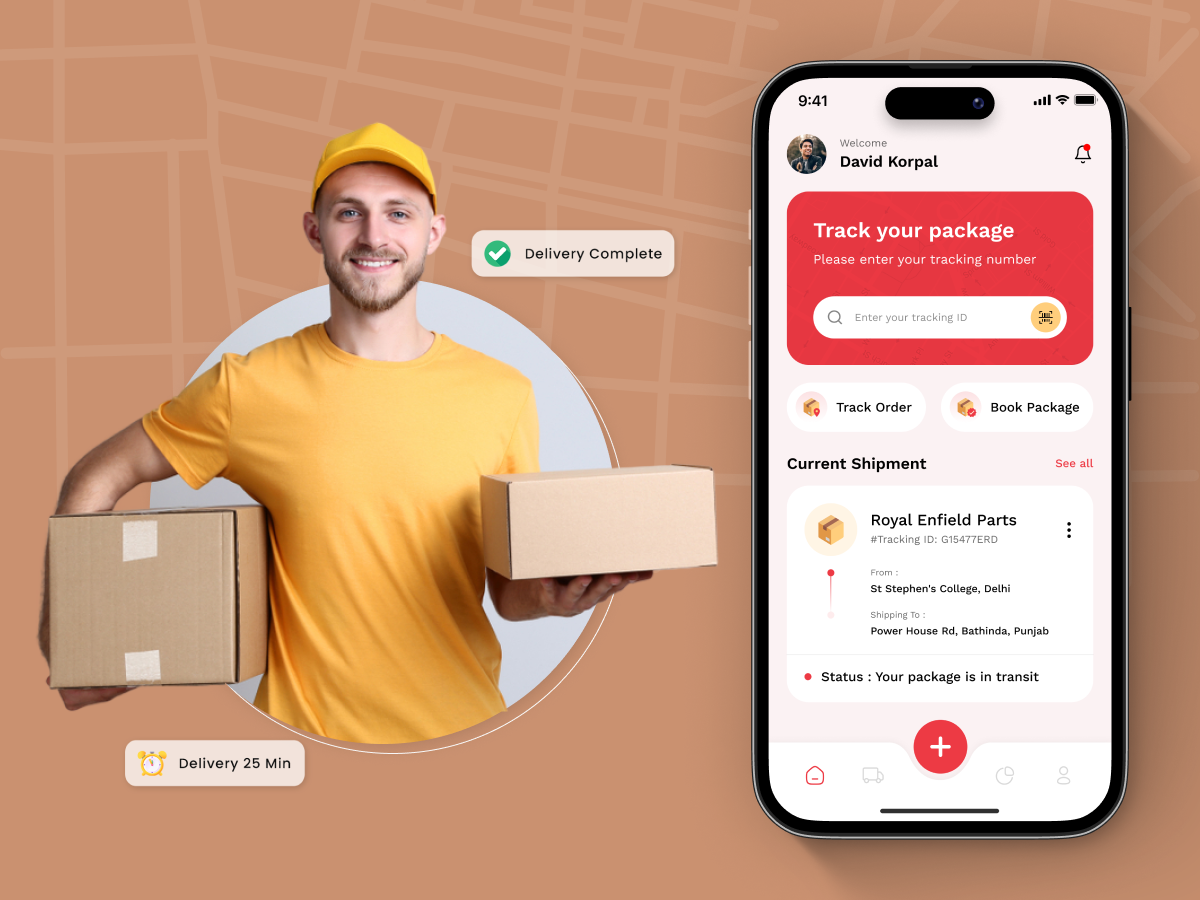
Logistics and transportation operations are the backbone of many businesses. From moving raw materials to delivering finished products, these operations affect cost, speed, and customer satisfaction. As delivery volumes increase and routes become more complex, many businesses face challenges such as delays, miscommunication, and a lack of visibility. Courier delivery apps are increasingly being used to address these challenges and bring more structure to daily operations.
Rather than changing how businesses work overnight, courier delivery apps improve existing processes. They help logistics and transportation teams manage deliveries with better coordination, clearer information, and fewer manual steps. Over time, this leads to smoother operations and more reliable outcomes.
The Growing Complexity of Logistics Operations
Logistics today is very different from what it was a decade ago. Businesses now deal with higher order volumes, tighter delivery schedules, and greater customer expectations. Manual methods like phone calls, spreadsheets, and paper records often struggle to keep up with this pace.
Courier delivery apps provide a more organized way to handle this complexity. By bringing delivery information into one place, businesses can manage tasks more clearly and reduce confusion between teams. This is especially useful when handling multiple deliveries across different locations.
Better Coordination Between Teams
One of the biggest improvements courier delivery apps bring is better coordination. In traditional setups, dispatchers, drivers, and warehouse teams often work with limited shared information. This can lead to missed updates or delayed responses.
Courier delivery apps allow everyone involved to see the same delivery status. Dispatch teams know which deliveries are in progress, drivers receive clear instructions, and warehouse teams can prepare shipments on time. This shared visibility helps reduce mistakes and improve overall efficiency.
Improved Route Planning and Time Management
Transportation operations depend heavily on good route planning. Poor planning can lead to wasted fuel, late deliveries, and unhappy customers. Courier delivery apps support better route awareness by providing drivers with clear navigation and delivery sequences.
With better planning, drivers spend less time searching for addresses or dealing with unclear instructions. This helps transportation businesses use their vehicles and time more effectively, especially when handling multiple stops in a single route.
Real-Time Delivery Tracking
Tracking deliveries in real time is no longer a luxury. Many businesses need accurate updates to manage customer communication and internal planning. Courier delivery apps make it easier to know where shipments are and when they are likely to arrive.
This visibility helps logistics teams respond quickly if something goes wrong, such as traffic delays or route changes. It also improves trust, as customers and partners receive more accurate delivery information.
Reducing Manual Work and Errors
Manual data entry and paperwork are common sources of errors in logistics operations. Missing delivery records, incorrect addresses, or delayed confirmations can disrupt workflows.
Courier delivery apps reduce these risks by recording delivery steps digitally. Status updates, confirmations, and delivery notes are stored automatically, making it easier to review past activity and maintain accurate records. This reduces the need for repeated follow-ups and manual corrections.
Supporting Scalable Growth
As businesses grow, delivery operations often become harder to manage. Adding more drivers or handling higher-order volumes can increase complexity if systems are not prepared.
Courier delivery app development is often seen as part of long-term operational planning. These apps help introduce repeatable processes that can scale as demand increases. Instead of relying on informal methods, businesses can maintain consistent workflows even as operations expand.
Better Accountability Across Operations
Accountability is important in both logistics and transportation. When delivery responsibilities are unclear, it becomes difficult to identify problems or improve performance.
Courier delivery apps help create clearer accountability by recording who handled each delivery and when actions were taken. This makes it easier for managers to review performance and address issues based on accurate information rather than assumptions.
Data Insights for Operational Improvement
Over time, courier delivery apps generate useful data about routes, delivery times, and operational patterns. Logistics and transportation businesses can use this information to understand where delays happen most often or which routes perform better.
These insights support better decision-making and gradual improvements. Rather than guessing, businesses can rely on real data to refine their operations and plan future changes.
Choosing the Right Development Approach
When businesses decide to adopt a courier delivery app, they often look for experienced support. Working with a courier app development company can help ensure that the app fits operational needs rather than forcing businesses to adapt to a generic system.
The focus is usually on usability, reliability, and compatibility with existing processes. A well-planned approach helps avoid disruption and supports smoother adoption across teams.
Long-Term Benefits for Logistics and Transportation Businesses
Courier delivery apps are not just about short-term improvements. Over time, they help businesses build more organized and predictable operations. Clear communication, better tracking, and consistent processes contribute to stronger relationships with customers and partners.
As logistics and transportation demands continue to evolve, courier delivery apps provide a practical way to manage change without adding unnecessary complexity.
Conclusion
Courier delivery apps improve logistics and transportation operations by bringing clarity, coordination, and structure to daily activities. They help businesses manage growing delivery volumes, reduce errors, and improve visibility across teams. By supporting better planning and accountability, these apps play an important role in modern logistics and transportation management. As businesses look for reliable ways to adapt and grow, courier delivery apps remain a valuable operational support.