

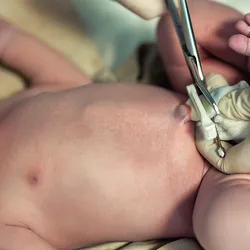
Bone marrow transplants are a crucial part of modern pediatric medicine, offering hope to babies and children suffering from severe conditions such as leukemia, sickle cell anemia, or immune system disorders. When a baby is diagnosed with a disease affecting their bone marrow baby, the next best option for survival may be a bone marrow transplant (BMT). This procedure can be the difference between life and death, making it one of the most critical medical advancements in child health.
Understanding Bone Marrow and Its Vital Role
Bone marrow is a spongy tissue found inside bones, primarily in the hips, ribs, and breastbone. It is responsible for producing blood cells, including red blood cells, white blood cells, and platelets, which are essential for carrying oxygen, fighting infections, and aiding in blood clotting. When the bone marrow fails due to disease or damage, it can lead to severe health complications. This is where a bone marrow transplant becomes a potential life-saving treatment.
For infants and young children, bone marrow failure can result from genetic conditions, autoimmune disorders, or cancer treatments. In these cases, the affected bone marrow is replaced with healthy stem cells from a donor’s marrow, allowing the production of new, functional blood cells. These transplants provide the best chance for survival, offering a fresh start for babies who may otherwise have limited options.
The Role of Bone Marrow Transplants in Pediatric Care
Bone marrow transplants for babies have become more common in recent decades, with advancements in medical technology making the procedure more successful. A baby’s immune system is still developing, which makes them more vulnerable to infections and complications. Therefore, ensuring a successful transplant is of utmost importance. Over the years, doctors have refined the process of transplanting bone marrow, improving success rates and reducing the risks involved.
A bone marrow transplant can be performed using either autologous or allogeneic stem cells. Autologous transplants use the baby’s own bone marrow or stem cells, while allogeneic transplants use stem cells from a donor. The donor may be a family member, typically a sibling, or an unrelated person who is a close genetic match. Allogeneic transplants tend to have higher success rates but also come with a higher risk of complications such as graft-versus-host disease (GVHD), where the donated cells attack the recipient’s body.
For babies, the key challenge lies in finding a matching donor and ensuring that the immune system can tolerate the transplant. As research continues, doctors are finding new ways to reduce rejection rates and improve the overall success of these procedures, offering more children a chance at a healthy life.
Health and Wellness After Bone Marrow Transplantation
Post-transplant care is as crucial as the transplant itself. Following the procedure, babies require close monitoring to ensure that the new marrow is successfully grafting and producing healthy blood cells. The first few months after the transplant are critical, and babies are often placed in a sterile environment to protect them from infections. These precautions are necessary because their immune systems are still weak as they recover from the procedure.
In addition to the immediate post-transplant care, ongoing health and wellness are important to ensure the baby continues to thrive after the procedure. Regular check-ups, blood tests, and monitoring are needed to catch any potential complications early. Many babies also need lifelong follow-up care to monitor for any late effects of the transplant, including the risk of developing other conditions such as cancer or infections.
A baby’s quality of life can improve significantly after a successful bone marrow transplant. They can grow and develop as other children do, with their immune systems becoming more robust over time. However, the road to recovery is often long and can involve various therapies and medications to support the body’s healing process.
The Emotional and Psychological Impact on Families
A bone marrow transplant is not only a physical challenge for a baby but also an emotional and psychological journey for the entire family. Parents of babies undergoing bone marrow transplants often experience stress, fear, and uncertainty throughout the process. The waiting period for a donor, the procedure itself, and the aftermath can be overwhelming. The emotional burden is compounded by the fact that many parents are forced to adjust their lives dramatically while caring for their child during such an intense medical procedure.
Family members often undergo counseling to help them cope with the emotional challenges they face. The stress of managing a child’s medical needs, especially in the early stages of recovery, can be taxing. Support systems, including social workers and pediatric care teams, play a vital role in providing families with the resources they need to manage the emotional toll.
Advances in Bone Marrow Transplantation for Babies
The field of bone marrow transplantation for babies has evolved significantly, with new techniques and treatments continually emerging. Scientists are researching less invasive methods, such as gene therapy, which could potentially replace or complement traditional bone marrow transplants. Gene therapy involves modifying the patient’s own cells to treat diseases without the need for a bone marrow transplant.
Additionally, advancements in immunotherapy are providing new ways to prevent complications like GVHD. Researchers are exploring how to better regulate the immune system post-transplant to reduce the likelihood of rejection and other side effects. These innovations offer hope for even better outcomes for babies undergoing bone marrow transplants in the future.
As these advancements continue, the success rate of bone marrow transplants for babies improves. What once seemed like an almost impossible treatment is now providing life-saving results, helping babies born with severe conditions lead healthier lives.
Conclusion:
Bone marrow transplants for babies are a groundbreaking procedure that offers hope for a brighter future. While the road to recovery can be challenging, the advancements in medical technology and post-transplant care have significantly improved the outcomes for these babies. Families facing these challenges now have access to better treatments and greater support, making it possible for babies to survive and thrive after what can often be a life-threatening condition.
In the realm of health and wellness, bone marrow transplants represent a remarkable achievement in pediatric care. They continue to be a lifeline for babies born with severe diseases, offering them a chance at life that would have been impossible only a few decades ago. With ongoing advancements in medical research and treatment, the future for babies needing bone marrow transplants looks even brighter.