

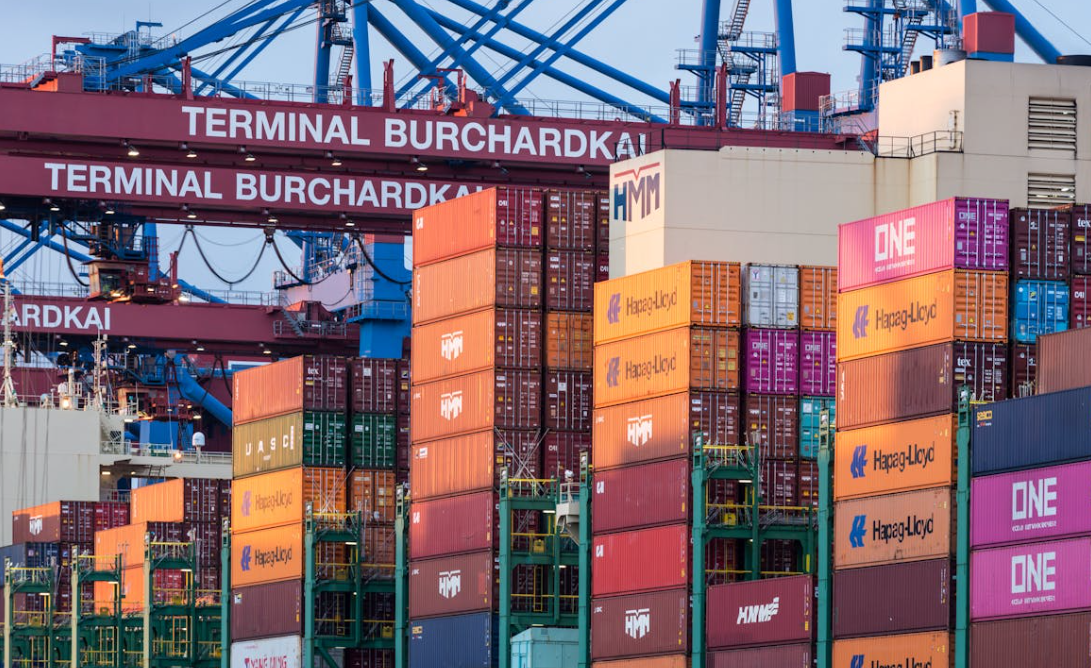
Shipping containers have become an increasingly popular solution for storage, construction, transportation, and even creative business projects. While many buyers explore online marketplaces, purchasing locally offers distinct advantages that can save time, money, and stress. This complete guide explains everything you need to know to confidently buy shipping containers locally, from understanding your needs to choosing the right supplier.
Why Buying Shipping Containers Locally Makes Sense
Buying a shipping container from a local supplier provides several practical benefits compared to purchasing from distant sellers.
First, local purchases significantly reduce transportation costs. Shipping containers are large and heavy, so long-distance delivery can be expensive. Local suppliers often offer affordable delivery options or even allow you to arrange pickup yourself.
Second, buying locally allows you to inspect the container in person. Photos can be misleading, especially when purchasing used containers. Seeing the unit firsthand helps you assess its condition, check for damage, and confirm it meets your expectations.
Finally, local suppliers usually provide faster service. Whether you need quick delivery or ongoing support, working with a nearby seller ensures better communication and quicker problem resolution.
Understanding Your Container Needs Before Buying
Before you start searching, it’s important to clearly define your requirements. This helps narrow down options and prevents unnecessary expenses.
Determine the Purpose
Ask yourself how you plan to use the container. Common uses include:
-
On-site storage
-
Office or retail space
-
Residential or modular construction
-
Equipment or inventory transport
Each use may require different features, such as ventilation, insulation, or modifications.
Choose the Right Size
The most common shipping container sizes are:
-
10-foot containers – Ideal for small storage needs
-
20-foot containers – The most popular choice for storage and transport
-
40-foot containers – Best for large-scale storage or building projects
Selecting the right size ensures you get enough space without overpaying.
Decide Between New and Used Containers
New (one-trip) containers offer excellent condition and long lifespan, while used containers are more budget-friendly. Local suppliers often stock both options, allowing you to choose based on your budget and usage needs.
Where to Find Local Shipping Container Sellers
Finding reliable local suppliers is easier than you might think if you know where to look.
Search Online with Local Intent
Use location-based searches and directories to find nearby sellers. Many businesses optimize their listings for customers looking to Buy shipping containers, making it easier to compare options.
Visit Container Depots and Yards
Local depots allow you to view multiple container types in one place. This hands-on approach helps you evaluate quality, size, and condition before committing to a purchase.
Ask for Referrals
Contractors, construction companies, and logistics firms often work with container suppliers. Their recommendations can point you toward trusted local sellers with proven track records.
How to Inspect a Shipping Container Properly
Inspection is a crucial step when buying locally. Even new containers should be checked to ensure they meet your expectations.
Exterior Inspection
Check for:
-
Major dents or structural damage
-
Excessive rust or corrosion
-
Proper door alignment and locking mechanisms
Minor cosmetic issues are normal in used containers, but structural integrity is non-negotiable.
Interior Inspection
Inside the container, look for:
-
Water leaks or signs of moisture
-
Strong odors or chemical residue
-
Damage to flooring or walls
A dry, clean interior is essential, especially for storage or workspace use.
Understanding Pricing and Hidden Costs
Shipping container prices can vary depending on size, condition, and location. Buying locally helps reduce many hidden costs, but it’s still important to understand pricing factors.
Factors That Affect Cost
-
Container size and type
-
New vs. used condition
-
Local supply and demand
-
Delivery distance and accessibility
Delivery and Placement Costs
Ask about delivery fees upfront. Some local suppliers include delivery in the quoted price, while others charge separately based on distance or site conditions.
Legal and Zoning Considerations
Before finalizing your purchase, check local regulations. Some areas have zoning rules regarding container placement, especially for residential or commercial use.
Confirm whether you need permits and ensure the container complies with local building or safety codes. Local sellers are often familiar with these regulations and can offer helpful guidance.
Why Local Customer Support Matters
One of the biggest advantages of buying locally is access to customer support. Local suppliers are easier to reach and more accountable if issues arise after delivery.
Whether you need advice on modifications, maintenance tips, or future purchases, having a reliable local contact makes a big difference. This is where experienced providers like Fortress Containers stand out by offering knowledgeable service and dependable local solutions.
Tips for Getting the Best Deal Locally
-
Compare quotes from multiple local sellers
-
Inspect containers personally whenever possible
-
Ask about warranties or return policies
-
Inquire about bulk or repeat-purchase discounts
Negotiating is often easier with local suppliers, especially when you build a relationship with them.
Conclusion: Make a Smart Local Purchase
Buying shipping containers locally is a smart, practical choice for individuals and businesses alike. From lower delivery costs and faster service to the ability to inspect containers in person, local purchasing offers clear advantages.
By understanding your needs, inspecting containers carefully, and working with a trusted local supplier, you can secure a high-quality container that fits your budget and purpose. Whether for storage, construction, or business use, a locally sourced shipping container provides convenience, value, and peace of mind.