

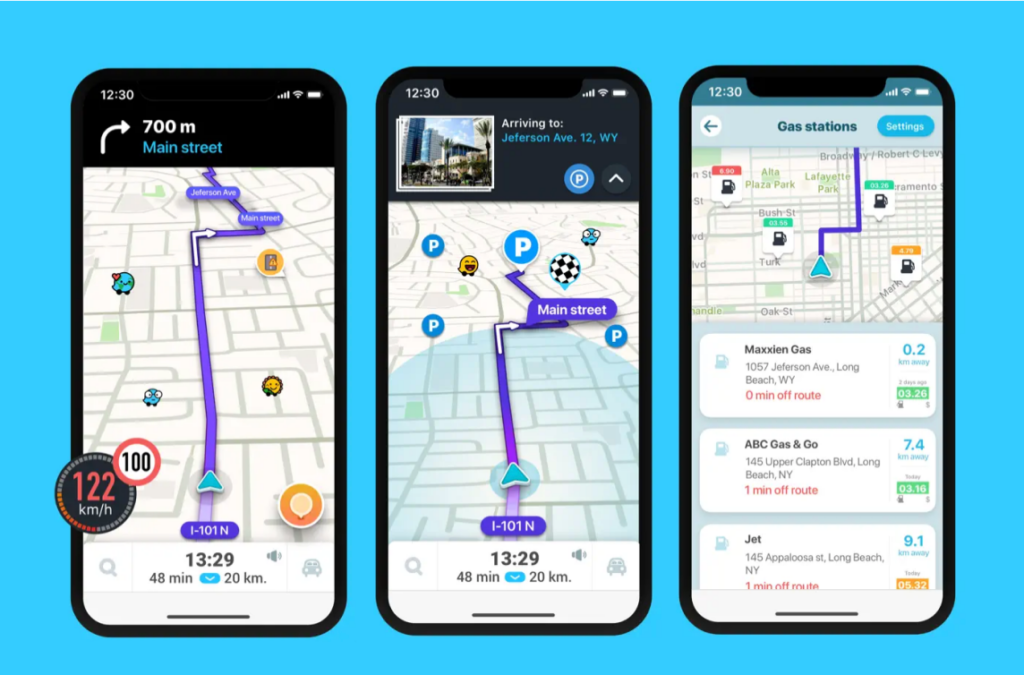
Geofencing has become a cornerstone feature in modern GPS tracking software development, enabling businesses to monitor, automate, and optimize location-based operations with precision. As organizations increasingly depend on real-time location intelligence, geofencing plays a critical role in enhancing efficiency, security, and decision-making across industries such as logistics, transportation, construction, and fleet management. For any gps tracking app development company, integrating geofencing is no longer optional—it is essential.
What Is Geofencing in GPS Tracking Software?
Geofencing is a location-based technology that creates virtual boundaries around specific geographic areas using GPS, RFID, Wi-Fi, or cellular data. When a tracked device enters or exits a predefined zone, the system automatically triggers actions such as alerts, notifications, or data logs. In GPS tracking software development, geofencing enables businesses to shift from passive tracking to proactive monitoring.
A reliable gps tracking app development solution leverages geofencing to deliver real-time insights while minimizing manual intervention. This capability allows companies to respond instantly to operational events and potential risks.
Importance of Geofencing in GPS Tracking Software Development
The primary value of geofencing lies in automation and accuracy. Instead of continuously monitoring vehicle locations, businesses can rely on geofence-based alerts to detect meaningful events. This improves operational efficiency and reduces human error.
For enterprises working with a gps tracking app development company, geofencing helps create scalable and intelligent systems capable of handling thousands of moving assets simultaneously. It also enhances customer satisfaction by enabling transparent delivery updates and accurate ETAs.
Key Use Cases of Geofencing in GPS Tracking Software
Fleet Management:
Geofencing allows fleet managers to monitor vehicle movements within designated service areas. Alerts can be triggered when vehicles deviate from approved routes or enter restricted zones. A well-designed custom gps tracking app development approach ensures these rules are configurable based on business needs.
Logistics and Delivery:
In logistics, geofencing enables automatic status updates such as “arrived at warehouse” or “delivery completed.” This reduces manual reporting and improves delivery accuracy. Businesses leveraging professional gps tracking app development services can automate workflows and improve operational transparency.
Employee and Asset Monitoring:
Geofencing helps track employee attendance, job site visits, and asset usage. For industries like construction and utilities, it ensures equipment remains within authorized locations and is used efficiently.
Security and Theft Prevention:
One of the most critical roles of geofencing is security. If a vehicle or asset exits a predefined zone during unauthorized hours, instant alerts can be generated. A robust gps tracking app development solution integrates these alerts with emergency response systems for quick action.
Role of Geofencing in Real-Time Decision Making
Geofencing transforms raw location data into actionable intelligence. By defining contextual rules, businesses can make informed decisions in real time. For example, a fleet manager can instantly reroute vehicles when congestion or delays are detected within certain geofenced areas.
A forward-thinking gps tracking app development company ensures geofencing logic is optimized for speed and accuracy, allowing enterprises to respond to dynamic conditions without system lag.
Enhancing Operational Efficiency with Geofencing
Operational efficiency is a key driver behind GPS tracking adoption. Geofencing reduces fuel costs, prevents unauthorized vehicle usage, and minimizes idle time. Automated alerts eliminate the need for constant manual tracking, allowing teams to focus on strategic tasks.
With custom gps tracking app development, businesses can design geofencing rules aligned with operational workflows, ensuring maximum ROI from their tracking systems.
Geofencing and Compliance Management
Many industries must comply with strict location-based regulations. Geofencing helps ensure compliance by monitoring movements within legally approved areas. For example, hazardous material transporters can use geofencing to avoid restricted zones and ensure safe routing.
Partnering with an experienced gps tracking app development company ensures compliance features are embedded into the software architecture from the beginning, reducing legal and operational risks.
Technical Considerations in Geofencing Implementation
From a development perspective, geofencing requires precise GPS accuracy, efficient data processing, and scalable backend infrastructure. Factors such as battery optimization, network reliability, and real-time data synchronization must be carefully managed.
Professional gps tracking app development services focus on optimizing geofence calculations to avoid false alerts while maintaining real-time responsiveness. Advanced solutions may also integrate AI to predict movement patterns and refine geofence triggers.
Integration of Geofencing with Advanced Technologies
Modern GPS tracking software integrates geofencing with AI, IoT, and analytics platforms. IoT-enabled devices provide continuous location updates, while AI analyzes geofence events to identify trends and inefficiencies.
A comprehensive gps tracking app development solution combines geofencing with route optimization, predictive maintenance, and behavioral analytics, delivering a powerful and future-ready system.
Benefits of Custom Geofencing Solutions
Off-the-shelf tracking software often lacks flexibility. Custom gps tracking app development allows businesses to define unique geofencing rules, alerts, and integrations tailored to their operations. This customization ensures the system adapts as business requirements evolve.
Custom solutions also provide better scalability, enhanced security, and seamless integration with existing ERP, CRM, and dispatch systems.
Future of Geofencing in GPS Tracking Software Development
As GPS accuracy improves and technologies like 5G become mainstream, geofencing will become even more precise and reliable. Future geofencing solutions will support dynamic boundaries that adjust in real time based on traffic, weather, and operational conditions.
A future-ready gps tracking app development company will continue to innovate by integrating predictive analytics and AI-driven automation into geofencing capabilities.
Conclusion
Geofencing plays a vital role in GPS tracking software development by enabling automation, enhancing security, and improving operational efficiency. From fleet management to compliance and real-time decision-making, geofencing transforms GPS tracking systems into intelligent business tools. By investing in gps tracking app development services and choosing the right gps tracking app development solution, businesses can leverage the full potential of geofencing through custom gps tracking app development tailored to their unique needs.