

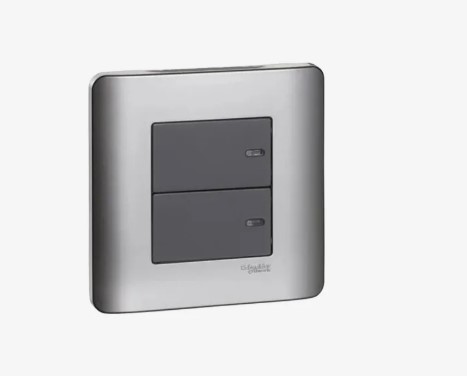

In the world of electrical control, few components are as widely used yet often overlooked as the push button switch. This small, easy-to-operate device plays a major role in machines, appliances, automation systems, and even everyday lighting controls. Its simplicity is the reason behind its versatility, and its reliability is why it remains a preferred choice across industries. From operating industrial machinery to turning on a light at home, push buttons ensure smooth, safe, and precise control.
As homes and commercial spaces evolve toward smarter electrical infrastructures, understanding the importance of devices like the electrical switch becomes essential. Choosing the right switch can significantly improve safety, functionality, and the overall user experience.
In this guest post, we explore everything you need to know about push button switches, their functions, types, applications, and what makes them so effective.
What Is a Push Button Switch?
A push button switch is a simple electrical device designed to open or close an electrical circuit when pressed. Its structure is minimal: a button, a spring mechanism, and internal contacts. When you press the button, the contacts either connect (completing the circuit) or disconnect (breaking the circuit), depending on the switch type.
Despite its simplicity, this switch provides a high level of control and safety, making it a crucial component in:
- Industrial machines
- Home lighting systems
- Emergency control panels
- Elevators
- Automation systems
- Medical devices
- Consumer electronics
The intuitive nature of a push button—press to activate, release to deactivate—makes it an ideal option for quick, controlled operations.
Why Push Button Switches Are So Important
While there are many types of switches available today, the push button stands out for several key reasons:
- Instant Response
A push button allows the user to instantly activate or deactivate a function. This makes it highly suitable for emergency stops, machine operations, and safety functions.
- High Durability
Most high-quality push buttons are made with materials that withstand repeated use, dust, moisture, and vibration—especially in industrial settings.
- Easy Operation
It requires no technical knowledge to use a push button. A quick press is enough to control the connected device, making it widely accessible.
- Minimal Maintenance
Compared to complex control systems, push buttons are long-lasting and require little maintenance. They are designed to withstand thousands of cycles without failure.
- Versatility
Push buttons come in many forms—illuminated, non-illuminated, momentary, latching, emergency stop varieties, and more. This makes them adaptable to various applications.
Types of Push Button Switches
To understand the full scope of a push button switch, it helps to know the different types available:
- Momentary Push Button
This type stays active only while being pressed. Key applications include:
- Doorbells
- Calculators
- Reset buttons on electronics
- Latching Push Button
It changes state when pressed and stays that way until pressed again. Common uses include:
- Power switches on appliances
- Light controls
- Control panels
- Illuminated Push Button
These come with an integrated light indicator to show the status of the device. They are commonly used in industrial and commercial spaces for better visibility.
- Emergency Stop Push Button
A safety-critical switch designed to immediately stop a machine during emergencies. These are usually red and mushroom-shaped for easy identification.
- Selector Push Button
These push buttons have rotating or multiple-position functions used in complex electrical systems or machinery.
Each type plays a specific part in controlling electrical circuits safely and efficiently.
How Push Button Switches Work
A push button switch operates on a simple mechanism:
- Pressing the button causes the internal contacts to either touch (completing the circuit) or separate (breaking the circuit).
- Releasing the button allows the spring mechanism to return it to its original position.
- This action either turns a device ON/OFF or triggers a specific command depending on how the circuit is designed.
Even though the action is simple, push buttons form the backbone of many complex systems. In automation, they often work alongside relays, timers, and controllers to achieve advanced operations.
Push Button Switches vs Other Electrical Switches
While the electrical switch category includes many options such as rocker switches, toggles, dimmers, and modular switches, the push button provides unique benefits:
- Better Control
Push buttons offer more precise control, especially in machinery where timing and accuracy matter.
- Enhanced Safety
Emergency push buttons can instantly cut off power, making them critical in industrial environments.
- Compact & Practical
Their simple design makes them easy to integrate into machines, appliances, and compact devices.
- Suitable for Automation
Push buttons work seamlessly with automation and control circuits, making them the preferred choice for industrial applications.
Applications of Push Button Switches
You will find push buttons in nearly every environment due to their adaptability. Here are the most common uses:
- Industrial Machinery
Operators rely on push buttons to start, stop, or reset machines quickly and safely.
- Elevators
Floor selection buttons are momentary push buttons designed for smooth operation.
- Home Automation
Smart push buttons control lighting, fans, and safety alarms.
- Medical Equipment
Push buttons in medical devices ensure precision and reliability during operation.
- Consumer Electronics
From handheld gaming devices to calculators, push buttons are everywhere in electronics.
- Security Systems
They enable quick activation of alarms, access controls, and emergency locking systems.
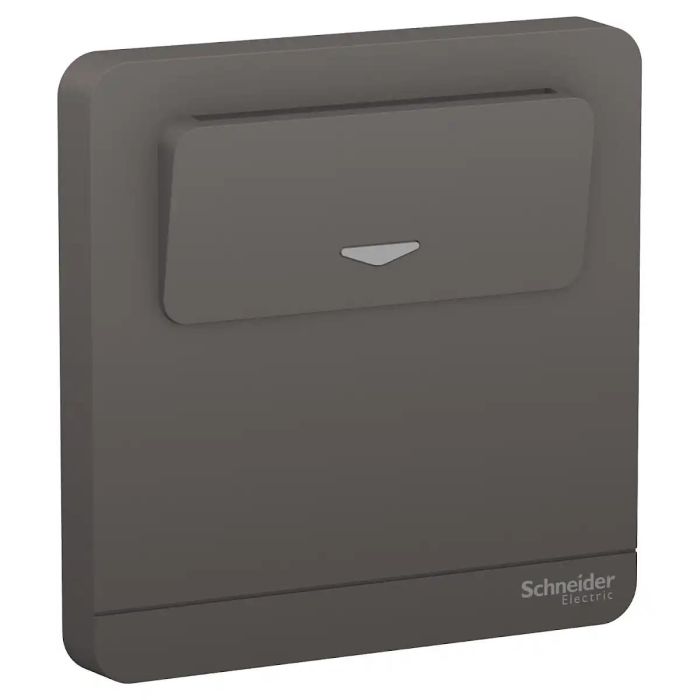
Key Features to Look for When Buying a Push Button Switch
To ensure long-term performance, consider these features before selecting a push button switch:
✔ Build quality
Choose switches made from durable metals or high-grade plastic for longevity.
✔ IP Rating
Higher IP ratings ensure protection against dust and water—very important for outdoor or industrial use.
✔ Type of function
Determine whether you need momentary, latching, illuminated, or emergency type, depending on the application.
✔ Compatibility
Ensure the switch fits your electrical load requirements to prevent overheating or failure.
✔ Safety certifications
Certifications ensure the switch meets safety and performance standards.
Conclusion
A push button switch may seem like a small component, but its impact on safety, performance, and control is immense. Whether in industrial settings or at home, these switches provide precision, reliability, and instant operation. As technology advances, push button switches are becoming even more sophisticated—integrating LEDs, automation capabilities, and enhanced safety measures.
In modern electrical setups, choosing the right electrical switch is essential for both functionality and safety. When quality and performance matter, selecting trusted brands ensures long-lasting and reliable operation.
Schneider Electric eShop offers some of the most dependable and innovative push button switches and electrical control products, making it the ideal platform for upgrading your electrical systems with confidence and quality.